


• Home
  • News
  • Personal Finance
    • Savings
    • Banking
    • Mortgage
    • Retirement
    • Taxes
    • Wealth
  • Make Money
  • Budgeting
  • Burrow
  • Investing
  • Credit Cards
  • Loans

Subscribe to Updates

Get the latest finance news and updates directly to your inbox.

Top News

More Americans Plan To Claim Social Security Benefits Early

April 24, 2026

Why a Lack of a Home Budget Is a Financial Time Bomb — and How to Fix It

April 24, 2026

5 Ways Inflation and Taxes Are Quietly Cutting a $250,000 Retirement in Half

April 24, 2026
Facebook Twitter Instagram
Trending
  • More Americans Plan To Claim Social Security Benefits Early
  • Why a Lack of a Home Budget Is a Financial Time Bomb — and How to Fix It
  • 5 Ways Inflation and Taxes Are Quietly Cutting a $250,000 Retirement in Half
  • The Decline Of Social Security, Medicare Trust Funds Is Accelerating
  • Elon Musk Says Tesla’s Optimus Robot Could Be Its ‘Biggest Product Ever’
  • Why an Unfinished Degree Can Help Your Resume (and How to List It)
  • Trump Accounts Are Coming. How Should Employers Prepare?
  • Amazon Launches Nationwide GLP-1 Weight-Loss Program
Friday, April 24
Facebook Twitter Instagram
FintechoPro
Subscribe For Alerts
  • Home
  • News
  • Personal Finance
    • Savings
    • Banking
    • Mortgage
    • Retirement
    • Taxes
    • Wealth
  • Make Money
  • Budgeting
  • Burrow
  • Investing
  • Credit Cards
  • Loans
FintechoPro
Home » Investors Want More Yield to Own Long-Term Treasury Debt
Investing

Investors Want More Yield to Own Long-Term Treasury Debt

News RoomBy News RoomAugust 28, 20237 Views0
Facebook Twitter Pinterest LinkedIn WhatsApp Reddit Email Tumblr Telegram

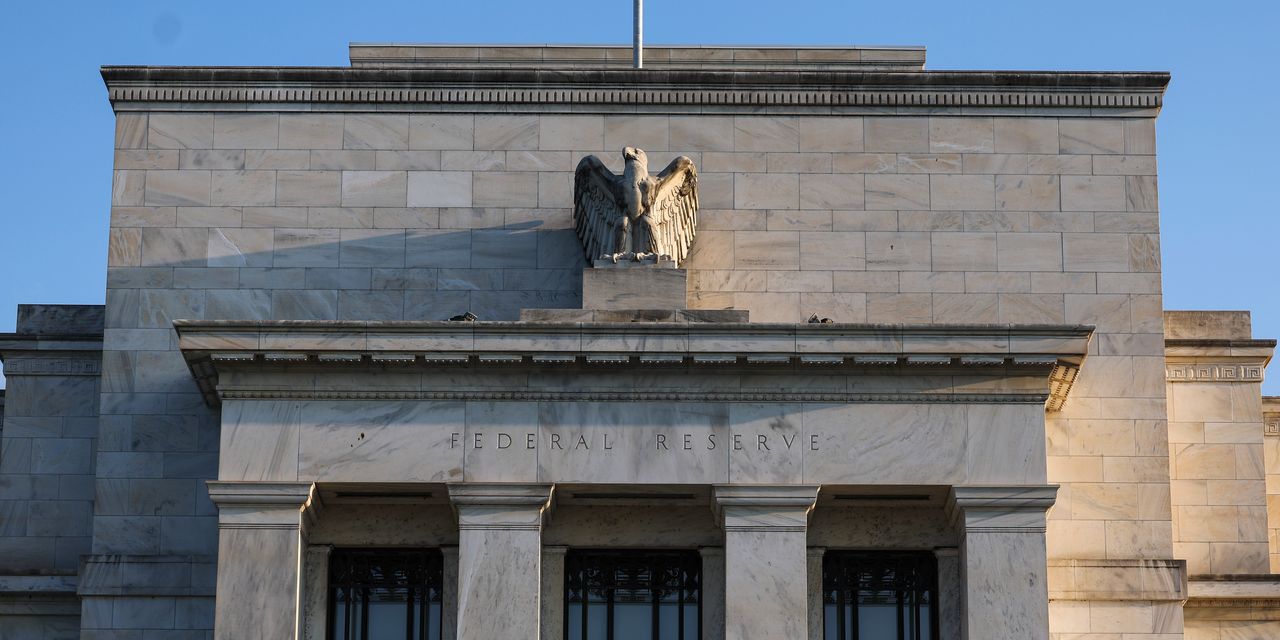
The term premium on a 10-year U.S. Treasury note hit its highest point since November this year.


Kevin Dietsch/Getty Images

Investors are demanding more to take the risk of buying longer-dated bonds rather than short-term debt.

A Federal Reserve gauge for long-term market risk known as the term premiums on the
10-year
U.S. Treasury note has steadily climbed in August. On Tuesday, it hit its highest point since November, rising to negative 0.1975%. The net change of 0.1463 percentage point was nearly four times the absolute average daily move seen over the last three decades, according to Dow Jones Market Data.

Various factors decide the payout on a 10-year note, but the term premium is a key element. It is basically the compensation, or added yield, that investors demand to hold a long-term bond rather than short-term debt. It reflects the possibility that unexpected economic developments or changes in monetary policy may alter the value of a bond or note. Long-dated debt is more sensitive to such changes than shorter-term securities.

For the past approximately two years, the term premium has always ended the day at less than zero, which means investors aren’t asking for a premium.

While the premium is still in the red—it settled at negative 0.51% on Thursday, the latest day for which data are available—the recent rise signals a shift in perception about lending to the U.S. government. It appears to be a factor behind the recent rise in yields on longer-dated debt.

The yield on the 10-year note rose as high as 4.339% on Monday, its highest point since late 2007.

The risk premium could be rising as investors factor in a higher rate of inflation than they had anticipated. It could also reflect uncertainty over the outlook for bond prices given recent selling pressure. Japanese investors, the biggest foreign holders of U.S. government debt, now have greater reason to sell Treasurys and buy Japanese debt as a result of a recent shift in monetary policy by the
Bank of Japan.

Term premiums also tend to rise in recessions, researchers have found. For example, since 2000, the largest one-day increase in Treasury premiums was noticed in March 2020.

The Fitch Ratings downgrade of the U.S. debt default rating to AA+ from AAA on Aug. 1 may also be adding to the uncertainty. U.S. Treasurys are the safest asset in the world, but the reduction still matters, Torsten Slok, the chief economist and partner at Apollo Global Management, told Barron’s.

Write to Karishma Vanjani at [email protected].

Read the full article here

Share. Facebook Twitter Pinterest LinkedIn Tumblr Email

Related Articles

Even Time-Strapped Business Owners Can Share an Engaging Reading Experience with Their Kids

Investing September 20, 2025

Turnover Is Costing You More Than You Think — Here’s the Fix

Investing September 19, 2025

How Pana Food Truck Started Selling Arepas

Investing September 18, 2025

Amazon CEO Andy Jassy Is Fighting Against Bureaucracy

Investing September 17, 2025

Here Are the Top 50 Mistakes I’ve Seen Kill New Companies

Investing September 16, 2025

Google Parent Alphabet Reaches $3T Market Cap

Investing September 15, 2025
Add A Comment

Leave A Reply Cancel Reply

Demo
Top News

Why a Lack of a Home Budget Is a Financial Time Bomb — and How to Fix It

April 24, 20261 Views

5 Ways Inflation and Taxes Are Quietly Cutting a $250,000 Retirement in Half

April 24, 20262 Views

The Decline Of Social Security, Medicare Trust Funds Is Accelerating

April 23, 20263 Views

Elon Musk Says Tesla’s Optimus Robot Could Be Its ‘Biggest Product Ever’

April 23, 20262 Views
Don't Miss

Why an Unfinished Degree Can Help Your Resume (and How to List It)

By News RoomApril 23, 2026

Editor’s Note: This story originally appeared on Zety.com. You started a degree but didn’t finish…

Trump Accounts Are Coming. How Should Employers Prepare?

April 22, 2026

Amazon Launches Nationwide GLP-1 Weight-Loss Program

April 22, 2026

South Florida Tops WalletHub List of 10 Best Cities to Start a Business

April 22, 2026
Facebook Twitter Instagram Pinterest Dribbble
  • Privacy Policy
  • Terms of use
  • Press Release
  • Advertise
  • Contact
© 2026 FintechoPro. All Rights Reserved.

Type above and press Enter to search. Press Esc to cancel.