


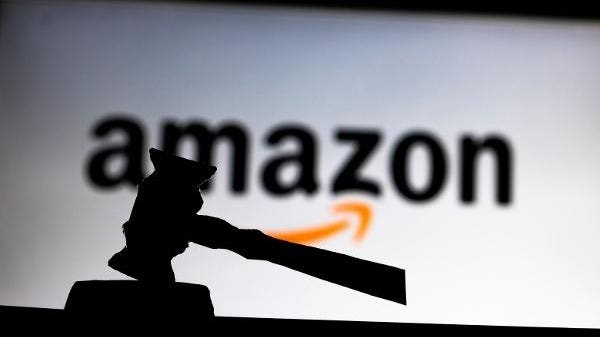
The Federal Trade Commission (FTC) finally pulled the trigger this week, filing its much-anticipated antitrust complaint against Amazon for (among other things) using pricing and other tactics that unfairly punished merchants selling on its platform. “Amazon is now exploiting its monopoly power to enrich itself,” according to FTC chair Lina Khan.
I’m no legal analyst, but as an expert in the retail industry, I’m scratching my head over the notion that—especially in this digital age—any retailer could create, let alone maintain, a true monopoly.
For one thing, retailers that used to rely on Amazon are discovering that it’s possible to go direct to consumers. This fast-growing category now represents nearly 20% of all online sales, according to consulting firm KPMG. For another, low-price competitor platforms like Temu and Shein are gaining traction and nipping at Amazon’s heels.
However, the FTC case turns out the complaints about Amazon strike me as coming a bit late in the game. Since 1995, when the company first opened as an online bookseller, Amazon’s cut-throat pricing helped kill off half of the nation’s bookstores. Then might have been a good time for action.
Instead, the momentum of bargain book prices helped propel Amazon to where it is today, estimated by consulting firm EDGE to be about to pass Walmart with the largest share of the U.S. retail market. (Each has about 13%, with Kroger a distant third.)
Amazon may be a giant, but it has done its share of creative destruction in recent years. It bought Whole Foods and launched a chain of Amazon Fresh produce stores. Among a flurry of forays into new markets, it experimented with physical retail outlets featuring popular merchandise that had earned reviews of four or more stars online. Amazon even tried opening a chain of brick-and-mortar bookstores.
Since then, the company has scaled back or shuttered all those efforts. The excitement around Alexa has faded. Critics fault the company for lagging behind the AI juggernaut. According to a recent Wall Street Journal podcast, Amazon is still on an urgent quest to find its next big hit. Topping the current list is pharmaceuticals and healthcare.
The Amazon debate reminds me of similar circumstances when Sears, Roebuck & Co. was the nation’s dominant retailer. Sears was founded in 1893 as a mail-order catalog for rural consumers. The catalog was massive, more than 1,000 pages—a paper and ink version of the Amazon shopping experience.
Beginning in the 1920s, the company started expanding into physical stores. At its peak, Sears was the world’s largest retailer, with nearly 3,500 stores. For decades, it was the first stop for millions of consumers looking for jeans, appliances, tools, sporting goods, farm equipment, auto supplies, car insurance—and even oil changes.
Like Amazon, Sears became the target of anti-monopolists who complained that the company abused its purchasing power to undercut and muscle out of business thousands of smaller, independent general merchandise retailers. Concerned about the rise of chain stores, Congress even passed a law—the Robinson-Patman Act of 1936—which criminalized retailers like Sears getting quantity discounts from manufacturers.
Despite those efforts, by the 1960s, Sears had become “a superpower, as invincible a business as the nation it served,” according to Donald R. Katz’s 1987 book about the company, “The Big Store.”
But by 2018, after 125 years in business, the company had been so mauled by creative destruction—the growth in specialty stores and general merchandise newcomers like Walmart, Costco, and Target – that it was forced into bankruptcy, and the brand faded into obscurity.
Amazon’s fate with the FTC and all its other challenges remains to be seen. We do know that creative destruction is a constant process in a free market. Many years from now, we may be talking about the long, slow demise of any of today’s leading brands, perhaps having been outgunned by a company formed this morning.
Read the full article here