



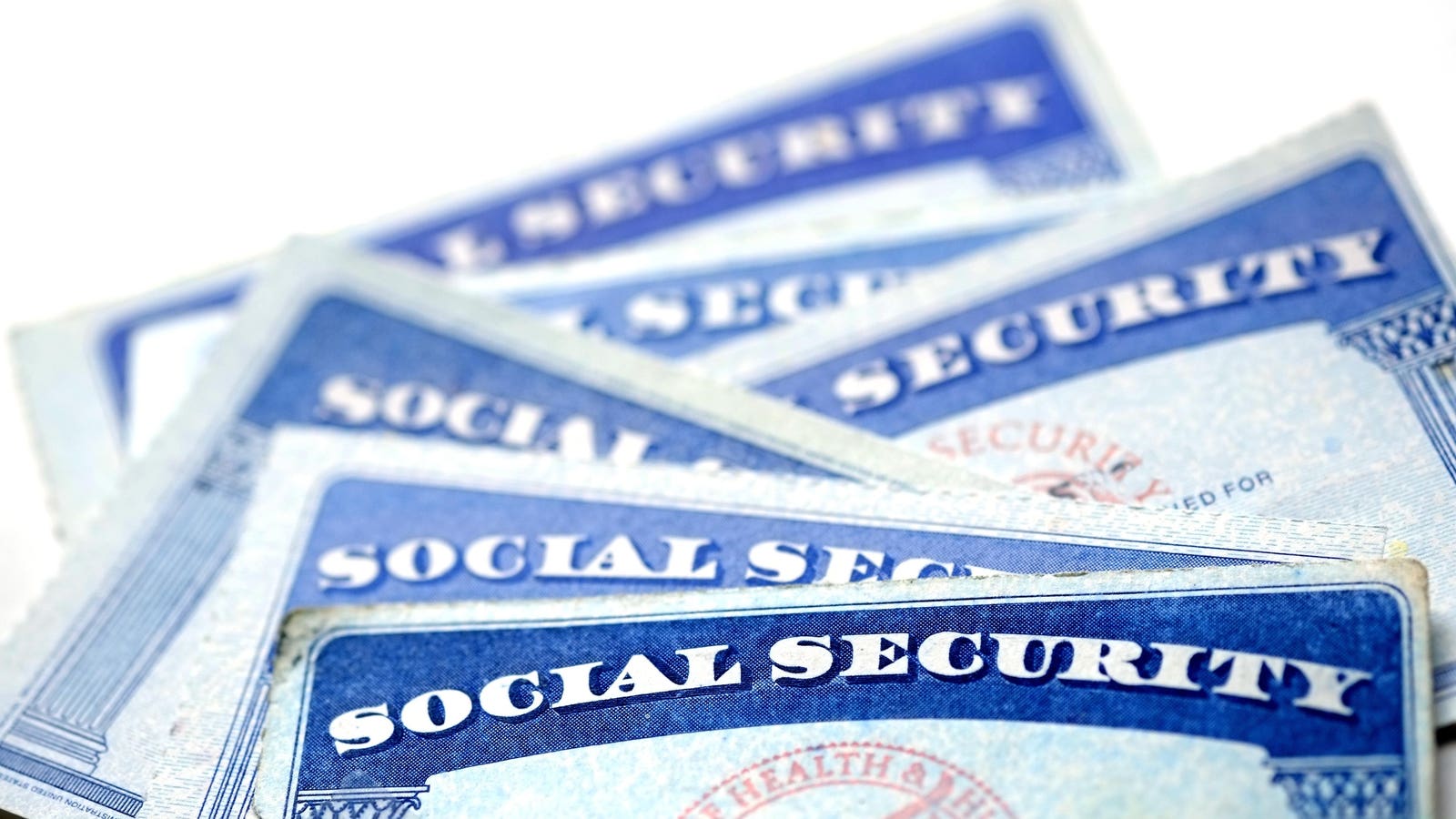
There’s been a lot of talk lately about the financial status of Social Security and the likelihood of future reductions in scheduled benefits. While concern about the financial health of the program is warranted, neither I nor my clients are losing sleep over the problem. Frankly, I’m optimistic the government will implement a solution that doesn’t involve a significant cut in benefits, but I don’t expect anything to happen anytime soon. I wouldn’t be surprised if legislation isn’t passed until the 2030s and only then to avert a crisis. In the meantime, we can explore what’s ailing this important entitlement program and what options exist for reform.
What’s the problem?
Social Security was introduced in the 1930s when the ratio of workers to beneficiaries was 45 to 1. The ratio has fallen to 3 to 1 due to population aging and is projected to drop to 2 to 1 by 2034. At that point, the scheduled benefit levels would be unsustainable, and the system could afford to pay recipients only 80% of the scheduled amount.
Contrary to popular belief, the Social Security taxes you’ve paid aren’t stashed in a jar with your name on it. There’s no personal savings account.
It’s a pay-as-you-go system. The Social Security Administration uses the FICA taxes it collects from current workers to pay current beneficiaries. If you’re collecting retirement benefits, your check is being funded by the younger generation. Money that goes in comes out immediately, which is why the ratio between workers and beneficiaries is so important to the financial stability of the system.
What solutions exist?
Benefit reductions are only one option and a painful one at that. Several other possible solutions exist that are far more palatable. For example, the government could raise the maximum wage that’s subject to Social Security taxes. For 2023, the wage base limit is $160,200. Workers making $100,000 pay Social Security taxes on all their income, but those earning $200,000 have approximately $39,800 that’s excluded. There’s plenty of room here to raise the maximum wage base or even eliminate it.
Another option is altering the age range for Social Security benefits. The earliest age to claim is 62, and the latest is 70. Full retirement age was originally age 65, but over time, it’s been raised to age 66 and 2 months or age 67 depending on birth year. Pushing up the full retirement age even further would be a way to cut benefits without requiring an across-the-board reduction. That’s because a great many workers would still retire at age 65 when they’re eligible for Medicare and receive a lower Social Security benefit.
Another idea being considered involves means testing. Currently, your retirement benefit is based on your earnings history and the age at which you start to collect benefits. With means testing, the benefit could also be dependent on the other retirement assets you own. If you were a good saver, your Social Security benefit would be lower than someone who had less in personal savings and vice versa.
I think means testing will be taken off the table quickly. It will be difficult to implement and wildly unpopular.
Should I claim benefits early in case they’re reduced?
Some pre-retired clients have asked me whether they should take Social Security benefits at age 62 so they can get money out of the system before benefits are lowered. My usual response is this: If benefits are reduced by 20%, then you’ll wind up with 80% of a smaller benefit amount. There are more important considerations in picking a claiming strategy than a benefit reduction in 10 years which might not happen.
No one has a crystal ball when it comes to the future of Social Security. You can’t control what the government will do, but you can control how much you save and how carefully you craft a retirement income strategy. I’m telling clients to focus their attention here and get a good night’s sleep.
Read the full article here