



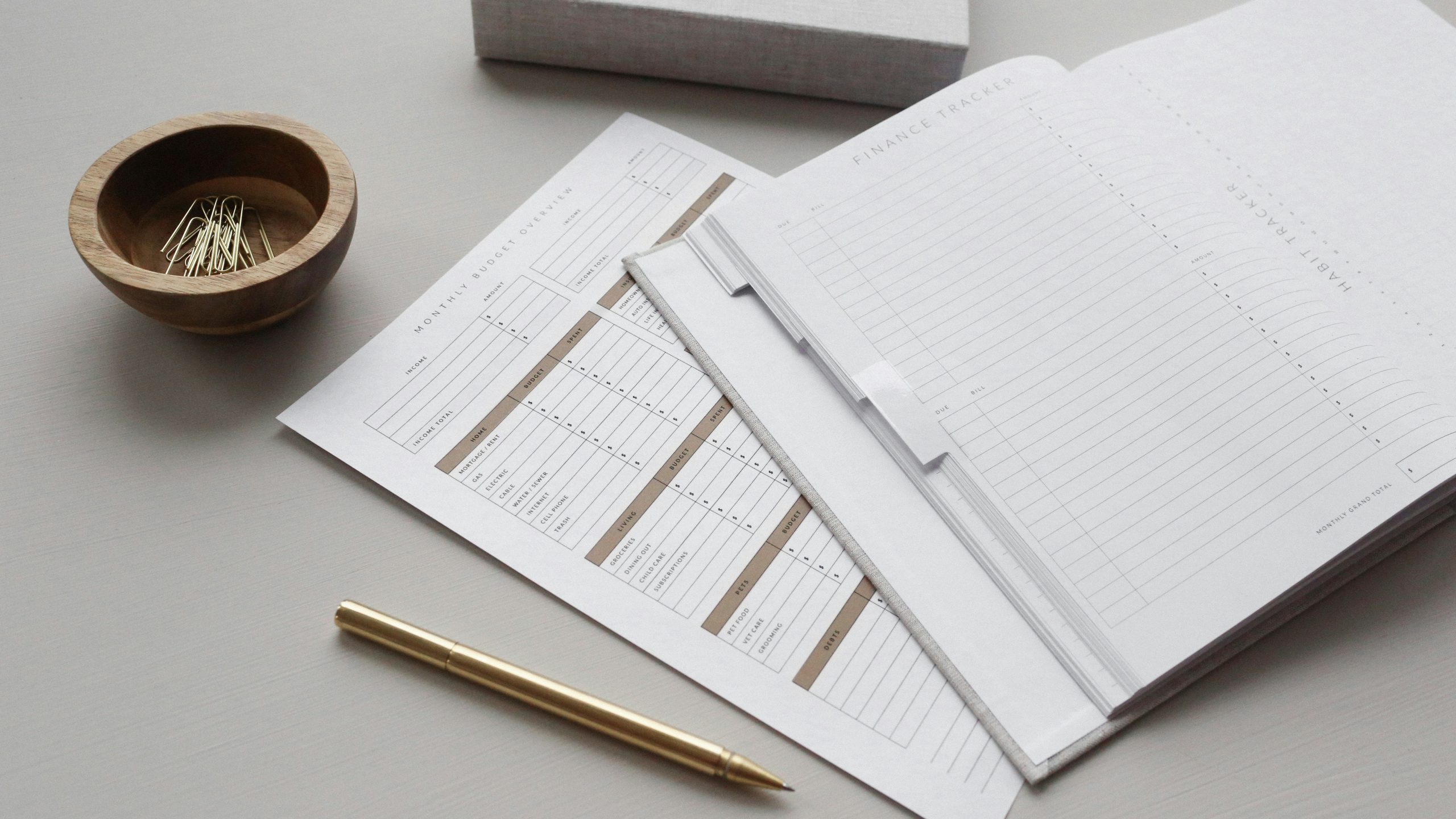
You check your bank account, and it’s lower than you expected…again. You swear you haven’t spent much, yet somehow, your paycheck disappears faster than you can say “rent’s due.” If this sounds familiar, you’re not alone. But here’s the thing: You might not actually be broke. You might just be budget-blind.
Being budget-blind means you’re not fully aware of where your money is going. It’s not about irresponsibility. It’s about financial habits that fly under the radar. These overlooked mistakes don’t always scream “bad decision,” but they quietly drain your bank account day by day. Let’s break down some of the biggest hidden money leaks and, more importantly, how to fix them.
You Don’t Have a Real Budget (Or You Don’t Use It)
A common money misconception is that budgeting is only for people who are barely scraping by. In reality, a budget is just a plan for your money, and everyone needs one. If you don’t have a clear idea of your monthly income and fixed expenses, chances are you’re spending more than you realize on things that don’t align with your financial goals.
Even people who think they have a budget may not be tracking their spending in real-time. A budget isn’t a one-time spreadsheet. It’s a living tool you have to interact with regularly. If you’re not checking in weekly, you’re probably missing something.
Subscription Creep Is Eating Into Your Cash Flow
One of the sneakiest financial blind spots is subscription services. A few dollars here and there for streaming platforms, fitness apps, premium delivery services, cloud storage, and more can quietly add up to hundreds per month. The worst part? You might not even be using half of them. Doing a quarterly audit of your subscriptions can free up serious cash and give you clarity on what you truly value.
You Confuse Affordability With Monthly Payments
Just because you can swing the monthly payment doesn’t mean you can afford the purchase. Financing furniture, electronics, or a new car often leads people to commit to expenses they wouldn’t pay in full upfront. If your income changes or unexpected expenses pop up, those “affordable” monthly payments can start to feel like a noose. Before signing up for another payment plan, ask yourself: would I still want this if I had to pay cash?
You Underestimate Small, Daily Spending
We’re all guilty of it: a quick coffee, a midweek lunch out, a few items from Target that weren’t on the list. These tiny transactions don’t seem significant in the moment, but they add up fast. One $6 coffee every weekday? That’s over $120 a month. Multiply that by other “little” expenses, and suddenly, you’re spending hundreds without realizing it. Awareness—not guilt—is the goal. Tracking these habits even for a week can be eye-opening.
You Think Saving Is Something You’ll Do Later
Many people delay saving until they “make more money” or “get out of debt first.” But if you’re not saving now, it’s unlikely a bigger paycheck will change that. Without the habit of saving, more money usually just means more spending. Start small—even $25 a week adds up. Treat your savings like a bill you have to pay, not something that happens only if there’s money left over.
You Don’t Separate Needs from Wants
This one gets blurry fast. We convince ourselves that upgraded phones, takeout on a busy night, or frequent Uber rides are necessary. But often, they’re really just conveniences or indulgences disguised as needs. A helpful reset is to revisit your true non-negotiables: housing, food, transportation, and healthcare. Everything else can be adjusted if needed. The more honest you are about what’s optional, the more power you have over your spending.
You Avoid Looking at Your Bank Account
Let’s be real. Sometimes, we avoid checking our balances because we’re afraid of what we’ll see. But avoidance only makes things worse. When you’re disconnected from your accounts, it’s easy to spend blindly and miss warning signs. Set a time each week to check in with your finances, even if it’s just for ten minutes. Knowledge is power, and awareness gives you choices.
You Don’t Plan for Irregular Expenses
Budgeting only for your monthly bills while ignoring yearly expenses like holiday gifts, car maintenance, or insurance premiums sets you up to feel blindsided later. One way to fight this is to create a “sinking fund.” That means setting aside small amounts each month for large, irregular expenses. It makes big bills feel a lot less painful when they roll around.
You Haven’t Defined Your Financial Goals
Without clear goals, it’s easy to spend money impulsively. Whether it’s saving for a vacation, paying off debt, or buying a home, having something specific you’re working toward gives your budget purpose. Ask yourself: What would financial peace look like for me? Once you know that, it’s easier to say no to things that don’t serve that vision.
From Budget-Blind to Budget-Aware
Being budget-blind doesn’t mean you’re bad with money. It means you’ve never been taught to see the full picture. But now that you’re aware of the blind spots, you can take action. Clarity brings control. Control brings confidence.
The more in tune you are with your spending habits, the more freedom you’ll feel in your financial life. And the best part? You don’t have to make massive changes to see a big impact. Small, consistent shifts can take you from paycheck-to-paycheck stress to true financial stability.
Have you ever had an “aha” moment about a hidden spending habit? What’s one change that made the biggest difference in your finances?
Read More
How to Save for a Down Payment on A Car (Even on a Tight Budget!)
Budgeting for the Unexpected: Financial Tips to Avoid Last-Minute Cash Crunches
Read the full article here