


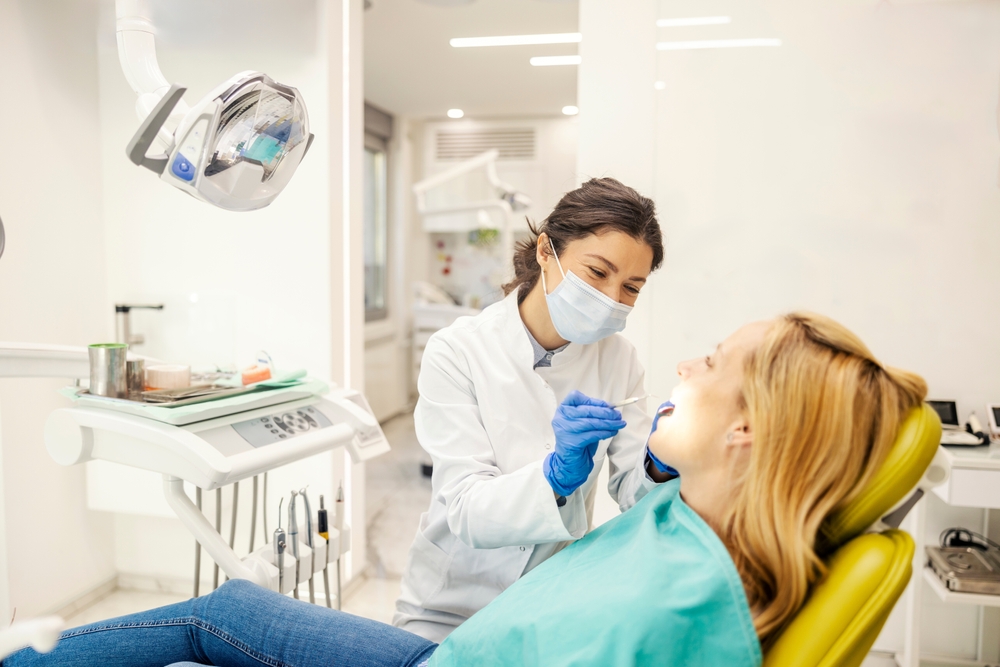
Most people think dental insurance works like medical insurance, but it doesn’t. Premiums keep rising while coverage limits barely budge. Even if you have “good” dental insurance, you may still pay hundreds out of pocket for a crown, filling, or cleaning. Inflation, fewer provider networks, and shrinking employer coverage all play a role. Here’s why dental insurance has become so expensive—and the one little-known hack that can dramatically cut your costs.
1. Annual Maximums Haven’t Kept Up With Inflation
Most dental plans cap how much they’ll pay per year—often around $1,000 to $1,500. That amount hasn’t changed in decades, even though the cost of crowns, implants, and orthodontics has skyrocketed. Inflation has eroded the real value of that coverage. Once you hit that limit, every additional dollar comes out of your pocket. It’s a silent form of cost creep that frustrates millions of patients each year.
2. Cosmetic and Restorative Work Is Barely Covered
Dental insurance typically prioritizes preventive care—cleanings and exams—over more complex treatments. Cosmetic work like veneers or whitening is rarely covered at all. Even restorative procedures such as crowns or implants may only be partially reimbursed. That leaves patients paying thousands despite having “insurance.” The structure favors maintenance, not repair, which can feel unfair when you need real dental work done.
3. Employer Plans Are Shrinking or Disappearing
Once a standard benefit, employer-provided dental insurance is becoming less generous—or vanishing entirely. Many companies now shift a larger share of premiums to employees or drop dental benefits altogether. For small businesses, group coverage has become especially costly. Without large group discounts, workers end up paying the same rates as individuals. It’s part of the broader trend of employers trimming benefits to cut costs.
4. Provider Networks Are Narrower Than Ever
Dentists are increasingly opting out of insurance networks due to low reimbursement rates. When fewer providers participate, your choice of in-network dentists shrinks. Out-of-network visits often mean higher bills or denied claims. Many patients don’t realize this until after treatment, leading to unexpected costs. The system favors insurers, not patients, making it harder to find affordable care.
5. Insurance Companies Push High-Deductible Plans
High-deductible dental plans look cheaper upfront—but you’ll often pay more overall. These plans shift costs to consumers by lowering monthly premiums while raising deductibles. You might pay hundreds before coverage kicks in. That model mirrors high-deductible health plans, which save insurers money but burden patients. It’s a calculated move that keeps premiums competitive while limiting payout exposure.
6. Specialized Treatments Come With Premium Pricing
If you need a root canal, orthodontics, or implants, prepare for sticker shock. Specialists like endodontists and periodontists charge more, and their services often exceed basic plan coverage. Insurers set low reimbursement rates that don’t reflect real-world prices. Patients end up covering the difference out of pocket, creating a major affordability gap. Complex dental care has essentially become a luxury item for many families.
7. Aging Populations Drive Higher Demand
As people live longer, dental needs grow. Seniors often face multiple issues—crowns, gum disease, and implant replacements—all costly to treat. With more retirees maintaining natural teeth into old age, demand for dental care has surged. Insurance companies respond by raising premiums to offset higher claims. The aging population, combined with stagnant plan limits, fuels a perfect storm of rising costs.
8. Administrative Overhead Adds Hidden Costs
Dental insurance involves paperwork, billing systems, and compliance costs that eat into every premium dollar. Insurers must pay staff, process claims, and maintain profit margins. That administrative layer doesn’t directly improve your dental health—but it drives up your costs. The more complex the system becomes, the less efficient it gets. Patients ultimately bear those inefficiencies through higher premiums.
The One Hack: Dental Discount Plans (They’re Not Insurance)
Here’s the good news—there’s a workaround. Dental discount plans, also called dental savings programs, offer negotiated rates directly with participating dentists. You pay an annual fee, usually under $150, and instantly receive discounts of 10–60% on most procedures. There are no deductibles, waiting periods, or annual limits. For many families, these plans save hundreds or even thousands each year—especially when combined with paying cash instead of filing claims.
Would you ever switch to a dental savings plan to cut your costs, or do you still prefer traditional insurance? Share your thoughts below!
You May Also Like…
Read the full article here


