


In 1896, pioneering doctor and pharmacist Sagen Ishizuka coined a Japanese philosophy called “shokuiku.” It is derived from two words that mean “eat” and “grow.”
Shokuiku encourages parents and schools to teach kids where their food comes from and how it affects our mind and body. This concept has been an integral part of Japan’s culture, and it’s a big reason why we’re home to some of the world’s healthiest children.
According to UNICEF, among 41 developed countries in the European Union and the OECD, Japan is the only country where fewer than one in five children are overweight.
As a mother raising a young daughter in Japan, here’s what Japanese parents do differently to raise happy and adventurous eaters:
1. They implement shokuiku early.
Japanese doctors often encourage expecting mothers to stick to a well-balanced meal style called “ichijū-sansai.” It is centered around a bowl of rice and miso soup, accompanied by a protein-focused dish, and two vegetable sides (like seaweed or mushroom) for adequate vitamins, minerals and fiber.
Don’t miss: A psychologist says these 7 skills separate successful kids from ‘the ones who struggle’
As kids get older, they start to learn about healthy eating habits. In 2005, the government passed the Basic Act on Shokuiku to promote shokuiku.
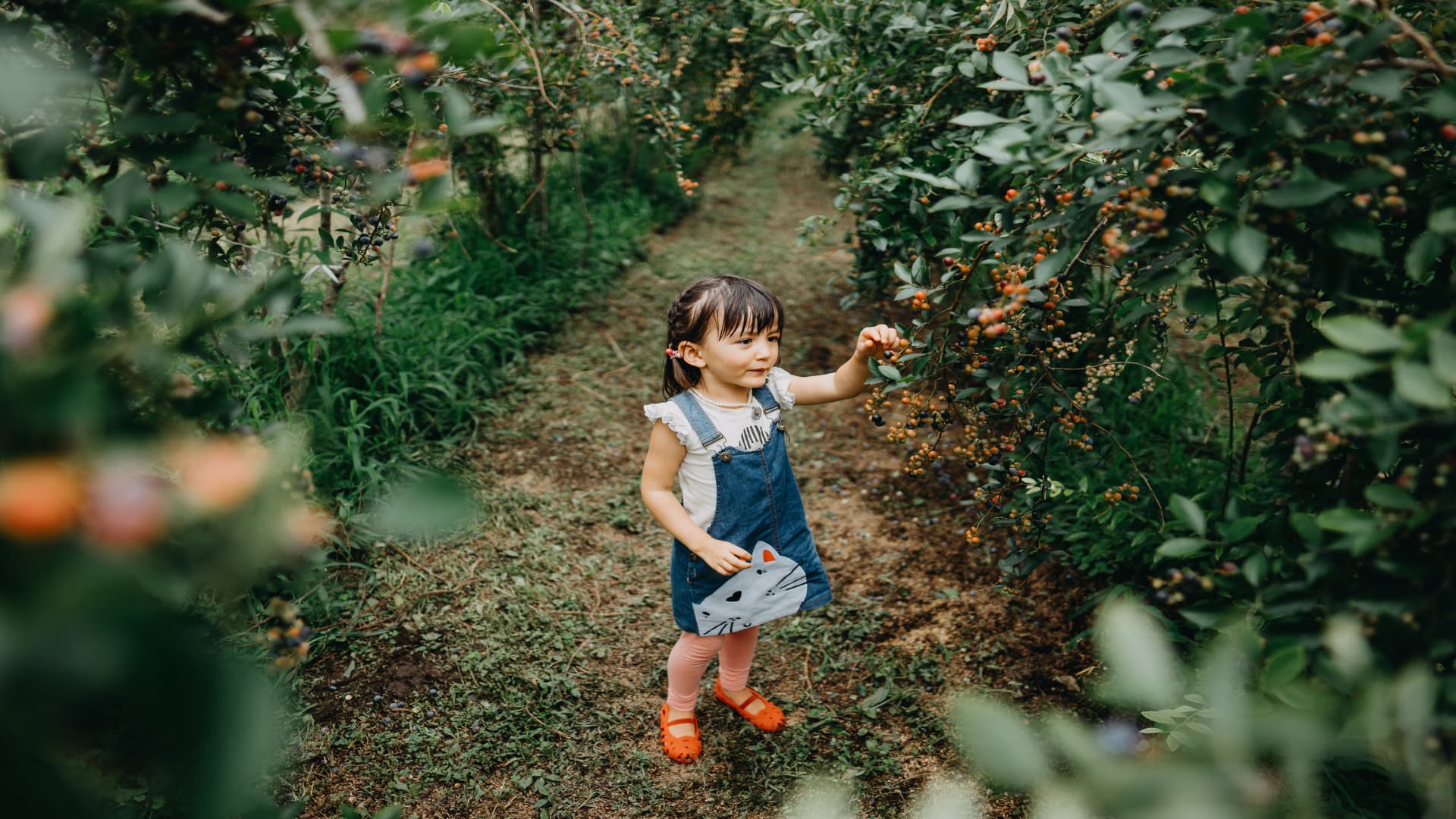
Some preschools have kids harvest vegetables to eat for lunch, while in elementary schools, they learn about the farms that produce vegetables, fish and other foods.
2. They encourage bento box conversations.
Over 95% of Japanese elementary and junior high schools have a school lunch system. Meals are planned by nutritionists, and students take an active part in the lunch serving process.
While many preschools also provide lunches, homemade bento lunches can play an important role in promoting shokuiku.
My daughter’s kindergarten teacher asks her students to talk about what’s in each other’s bento boxes. It makes lunchtime enjoyable, and children feel encouraged to try new foods — or even express dislike of certain foods — when they find them in their friends’ bento boxes.
My daughter’s bento lunch: sweet potato rice balls, hamburger steaks, sausage, boiled broccoli, cherry tomato, omelet, pineapple and barley tea
Photo: Yuko Tamura
Opting for bento lunches over fast food also allows children to get consistent servings of seasonal vegetables and fruits, while avoiding high-fat foods and food additives. Meals are often made from local, fresh ingredients, such as baked cod with sweet corn and bok choy, served with minestrone soup and a carton of milk.
3. They cook nutrient-rich foods in batches.
I’ve found that preparing simple homemade pickles and freezing other nutritious vegetables and fruits in batches simplifies my everyday cooking.
When my daughter started kindergarten, I struggled at first with some of the rules at the school — no snacks high in sugar or fat, like chips and cookies, or caffeine.
But little tricks, like keeping a reserve of portioned meals, ensure that I can prepare nutrient-rich lunches for her, even when fresh produce is in short supply at home.
4. They go for water or tea instead of soda.
I don’t restrict my daughter’s access to fruit juices and occasional shakes. But in her words, soda is “yucky,” so I may have lucked out there.
Early on, I introduced her to barley tea, which is mineral-rich without the caffeine. It’s a popular choice among Japanese people of all ages, and a great alternative to sugary teas and flavored store-bought beverages. It helps you cut down on daily calorie intake, too.
Another way that I implement shokuiku at home is by making smoothies with fresh fruit and yogurt with my daughter. We talk about how the fruit grows and where it comes from. Experiences like this will carry her healthy eating habits today well into her future.
Yuko Tamura is a cultural translator, editor-in-chief of Japonica, and frequent bilingual contributor to The Japan Times. She holds a master’s degree in International Business Administration. Follow her work on Medium and X at @yutranslates.
Don’t miss:
Want to be smarter and more successful with your money, work & life? Sign up for our newsletter
As technology reshapes business expectations, some leaders are embracing change and transforming their organizations for the future. Join the CNBC Evolve Global Summit on November 2 to hear strategies to adapt, innovate and succeed in this new era of business. Buy your ticket here.
Read the full article here