



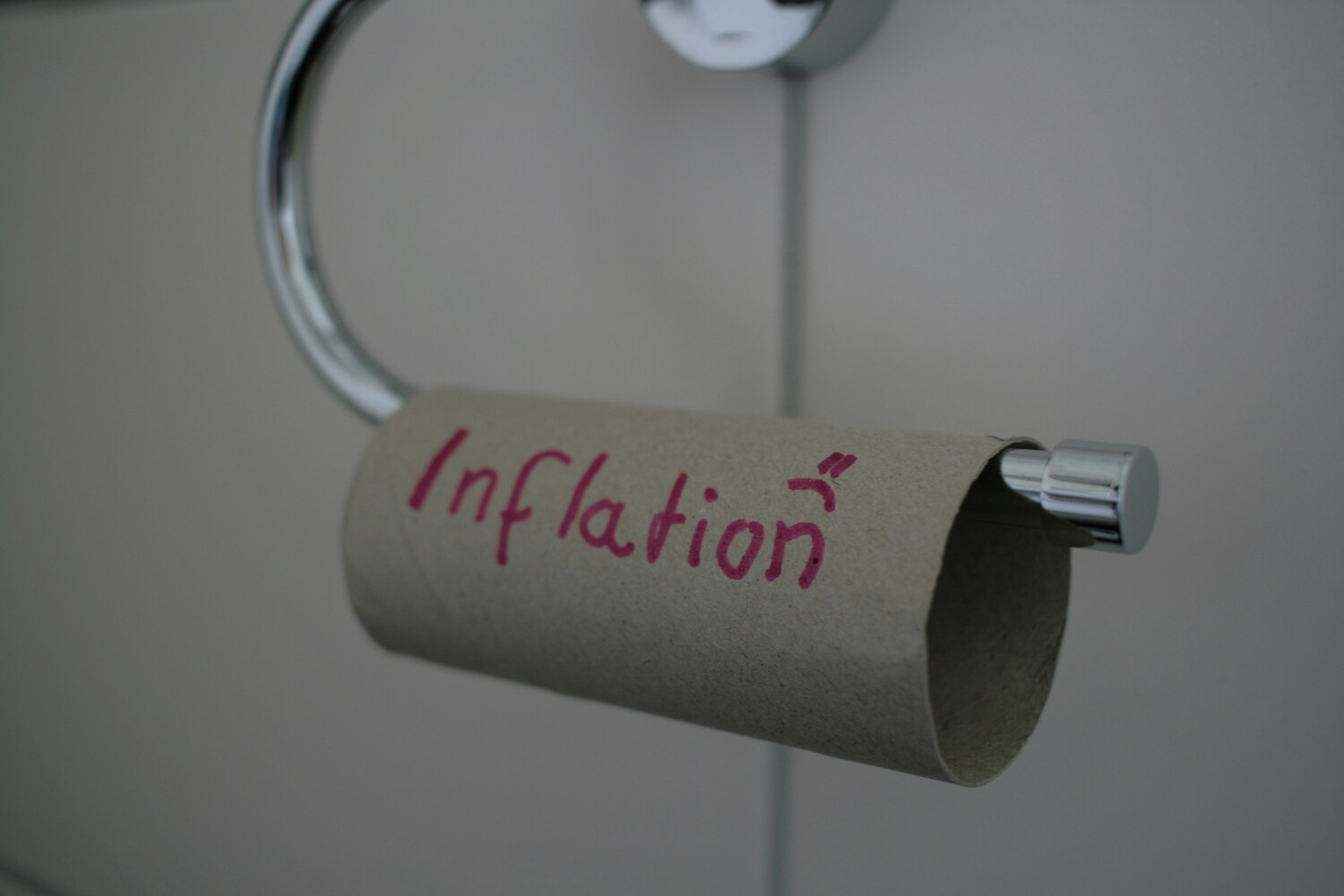
For the past few years, it felt like saving was on life support. With inflation eating into every paycheck, interest rates lagging behind rising prices, and the cost of living stretching households thin, Americans were dipping into savings more often than building them up. Even financial experts were beginning to worry: was saving becoming obsolete? But recently, the tide may be turning.
Behind the headlines and economic anxiety, new data and behavioral shifts are emerging, pointing toward a renewed interest in saving money. It might not look like your grandparents’ version of saving, but make no mistake: the urge to set aside money is quietly making a comeback.
Here are nine compelling clues that show why saving might be alive and well and even gaining strength in a tough financial world.
1. High-Yield Savings Accounts Are Surging in Popularity
One of the clearest signs of a saving resurgence? More people are flocking to high-yield savings accounts. Online banks like Ally, Marcus, and Capital One now offer APYs north of 4%, significantly higher than the near-zero returns of traditional bank accounts. These better rates are convincing more savers to move their money, open new accounts, and take a more active role in maximizing returns. This shift shows that consumers aren’t giving up on saving. They’re just looking for smarter ways to do it.
2. Emergency Funds Are Back in Focus
After the chaos of the pandemic and recent economic uncertainty, many Americans were forced to deplete their emergency savings. But now, according to surveys by major financial institutions like Bankrate and NerdWallet, there’s a renewed urgency to rebuild. Financial planners report more clients asking about “rainy day” funds and adjusting their budgets to restore depleted reserves. The lesson of living without a safety net has stuck, and it’s driving a fresh commitment to cash reserves.
3. Gen Z Is Budgeting Earlier Than Past Generations
Contrary to the “YOLO” stereotype, Gen Z is proving to be surprisingly financially conservative. Studies show that young adults are budgeting, using saving apps, and prioritizing money management more than Millennials did at the same age. With tools like Mint, YNAB (You Need A Budget), and TikTok finance influencers, saving isn’t just a necessity. It’s part of the culture. This new generation is blending tech with thriftiness and bringing saving back into fashion.
4. Debt Payoff Is Sparking a Shift Toward Saving
With interest rates climbing, many people spent the last two years aggressively paying off high-interest debt like credit cards. Now that balances are lower, a shift is occurring. Instead of throwing money into debt, people are beginning to redirect funds into savings. This behavioral pivot often happens when people realize they’ve built financial discipline through debt repayment and want to preserve that momentum by creating a buffer.
5. Minimalism and Anti-Spending Trends Are Rising
There’s a growing cultural shift away from consumerism. Influencers promote “no-spend months,” capsule wardrobes, and frugal living. Books like The Psychology of Money and podcasts like The Minimalists encourage listeners to buy less and save more. These mindset changes aren’t just about ethics. They’re financial habits in disguise. Every dollar not spent becomes a dollar potentially saved, and these micro-decisions are stacking up in surprising ways across demographics.
6. FinTech Tools Are Making Saving Easier (and Fun)
Gone are the days of saving being dull. With round-up apps, automatic transfers, and gamified finance platforms, saving is becoming more accessible and even enjoyable. Apps like Acorns, Digit, and Yotta turn spare change into investment or savings opportunities without users needing to think about it. These small tools help people save effortlessly, which encourages consistency over time. The easier it gets to save, the more people do it, even when budgets are tight.
7. High Cost of Living Is Forcing People to Plan Ahead
Ironically, the very thing that made saving harder (inflation) is also pushing more people to plan more carefully. Households that used to wing it are now meal prepping, couponing, and setting stricter financial goals just to stay afloat. That tighter control often leads to better tracking and increased awareness, which lays the foundation for more consistent saving habits. In short, economic pressure is refining financial discipline—and that discipline is leading to more structured saving.
8. Social Media Is Making Saving Trendy Again
From Instagram reels showing “$5 savings challenges” to TikTokers showing off their “sinking funds,” saving is no longer just practical. It’s performative in the best way. There’s a strong wave of community-driven content where people share their savings goals, struggles, and wins. Watching others achieve financial milestones in real time adds motivation and relatability, especially among younger audiences. This cultural shift is making saving feel cool, empowering, and visible—three things it rarely was in the past.
9. The Fear of the Next Financial Crisis Is Still Fresh
Let’s face it: the past decade has brought multiple economic shocks—COVID-19, job losses, housing insecurity, inflation, and a looming recession. These experiences left a psychological mark. People now understand the importance of being ready for the unexpected. That fear doesn’t lead to panic—it often leads to preparation. And for many, preparation means prioritizing savings before the next curveball hits.
Saving Isn’t Dead. It’s Evolving
Yes, inflation has taken a toll. And yes, it’s harder to stretch a dollar than it used to be. But despite all that, the core principles of saving—planning ahead, building security, resisting impulse—are quietly gaining traction again.
The difference? Today’s savers are more strategic, digital-savvy, and intentional. They’re leveraging tech, ditching outdated advice, and rewriting what it means to be financially responsible in a volatile world. So no, saving isn’t dead. If anything, it’s becoming more modern, more mindful, and more resilient than ever.
Have you made any changes to how you save in the last year? What tools or habits are helping you build (or rebuild) your savings?
Read More:
Why Everything Still Feels Expensive in 2025—Even If Inflation Is “Cooling”
How Does Crypto Help Hedge Against Inflation?
Read the full article here