



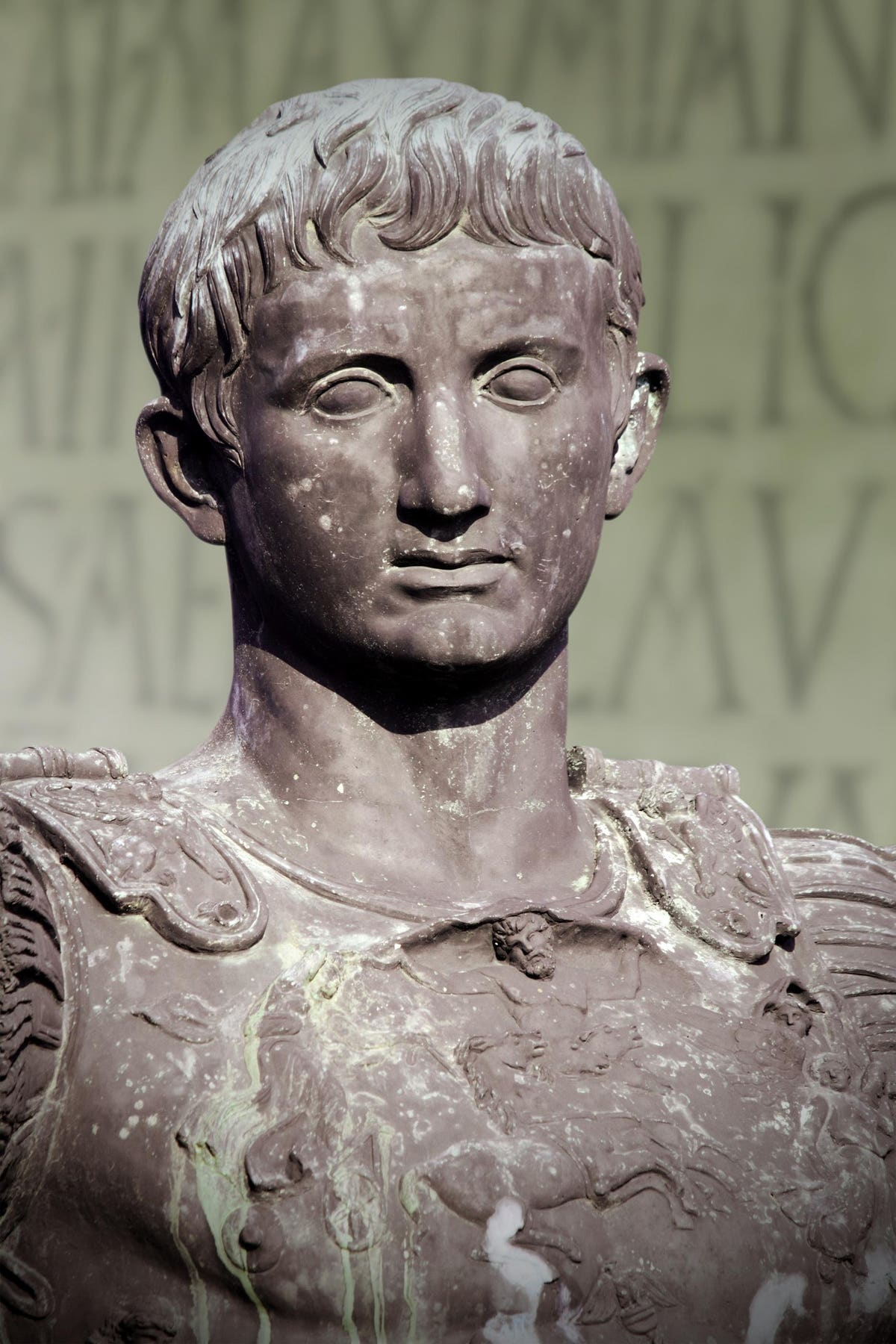
On September 1, 2023, the Worcester Art Museum announced the transfer of ownership of a cherished bronze bust of a daughter of the Roman Emperor Marcus Aurelius to the Manhattan DA’s office[1]. This valuable artwork is just one of the 24 pieces that were seized from other museums and private collectors, all linked to the notorious art dealer Robert Hecht, who passed away in 2012. These works were looted from Bubon in Turkiye, where local villagers pillaged a significant collection of Roman bronzes, and subsequently sold through Manhattan. When creating estate plans for collectors, particularly those who specialize in ancient and archaic artwork, it is crucial to consider the possibility of acquiring stolen art. To mitigate this risk, here are some signs to watch for and actions to take.
There are several common indications that an artwork might be stolen or looted. First, if the artwork lacks a clear provenance or ownership history, it raises a red flag. Second, if the artwork has been unlawfully removed from a museum, church, or archaeological site, it should be approached with caution. Third, if the artwork has been illegally exported from its country of origin, there is cause for concern. Fourth, if the artwork has been sold or offered for sale by an untrustworthy dealer, it is wise to exercise prudence. Lastly, if the artwork appears on a stolen art database, such as Art Recovery Group’s Art Claim, it is important to proceed with thorough verification of its ownership history before making a purchase.
It is crucial to recognize that numerous international laws and conventions govern the trade of stolen or looted artwork. For instance, the 1970 UNESCO Convention permits the seizure of stolen objects when ownership can be proven. The 1995 UNIDROIT Convention on Stolen or Illegally Exported Cultural Objects advocates for the return of illegally excavated and exported cultural property. Additionally, the 1954 Hague Convention prohibits the theft and destruction of cultural property during armed conflicts. These conventions and treaties establish a legal obligation to return stolen or looted property. Successful repatriations of recently looted artwork have taken place, discouraging participation in the illicit trade. However, auction houses are not obligated to prove the legitimacy of the objects they sell, and there are limited precedents in several European countries to prevent the sale of looted art.
Before purchasing a piece of artwork, it is crucial to conduct thorough research into its provenance. Consider the following steps:
- Examine the artwork’s ownership history, exhibition history, and publication history.
- Verify the ownership history of the artwork before making a purchase.
- Review exhibition catalogs to determine if the artwork was featured in any gallery or museum exhibitions.
- Utilize resources like the International Foundation for Art Research (IFAR) Provenance Guide, which serves as a valuable starting point for provenance research.
- Cross-reference any information found, as resources can be inaccurate or forged.
- Consult stolen art databases, such as Art Recovery Group’s Art Claim, to check if the artwork appears on any registries.
- Collect relevant information about the artwork, including the artist’s name, title, and any applicable export or import licenses.
- For high-value art, consider hiring a provenance researcher to conduct a thorough investigation into the artwork’s history.
Researching the provenance of artwork can be challenging, as records may have been lost or destroyed over time. However, conducting due diligence is crucial to ensure that the artwork is not stolen or looted, particularly for high-value pieces or those of significant artistic merit.
Returning stolen and looted art is a complex and lengthy process, involving legal and political challenges. Nonetheless, transferring ownership to the government for repatriation, as exemplified by the Worcester Art Museum, aligns with property laws and represents the morally right course of action. Objects of this nature should be returned to their rightful owners or to the countries or cultures from which they originated if there is any doubt regarding their true ownership. To safeguard yourself from such situations, diligent research and thoroughness are imperative.
[1] How could smuggled Roman art have ended up at the Worcester Art Museum? (msn.com)
Read the full article here